


Electric vehicles (EVs) are transforming commercial transportation as businesses increasingly prioritize sustainability, operational efficiency, and long-term cost savings. Manufacturers now offer a broad selection of electric vans, trucks, buses, and specialty vehicles, making fleet electrification more accessible than ever. By transitioning to electric vehicles, companies can reduce greenhouse gas (GHG) emissions while improving overall fleet performance.
Although EVs still face challenges, including reduced driving range in cold weather and the need for charging infrastructure, the long-term advantages continue to outweigh these limitations. Just as Qatar’s supercar scene reflects the rapid evolution of the automotive market, commercial fleets are embracing electric vehicles as the next step in transportation innovation. Here are the key benefits of adding electric vehicles to your commercial fleet.
1. Reduced emissions
Unlike traditional gas-powered vehicles, battery-electric vehicles produce zero tailpipe emissions, helping to immediately clean up the air in the areas where your vehicles operate. While the overall environmental impact depends in part on how the electricity is generated in your region, EVs generally produce far fewer greenhouse gases and air pollutants over their entire operational lifetime.
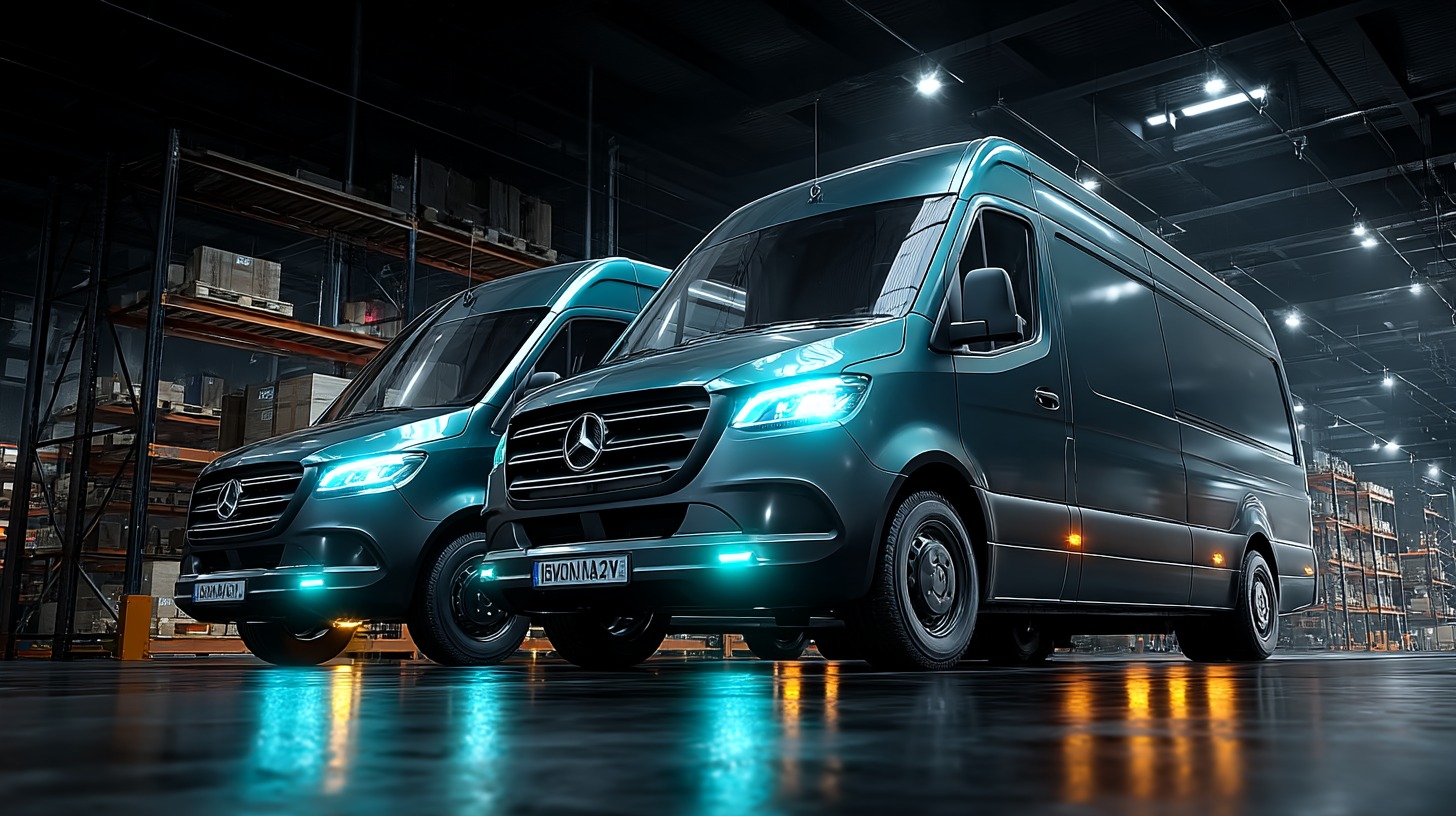
Plus, modern fleet management software makes it easy to track these emissions reductions in real time, giving you concrete data to measure against your company’s sustainability goals. Beyond the environmental benefits, going electric sends a clear, powerful message to your customers, investors, and regulators that your business is actively taking steps to fulfill its environmental responsibilities.
2. Lower maintenance costs
Electric vehicles have significantly fewer moving parts than traditional gas or diesel vehicles, which translates directly to simpler, less frequent upkeep. With an EV, you can say goodbye to routine maintenance tasks like oil changes, spark plug replacements, exhaust system repairs, and transmission servicing.
This reduced mechanical complexity leads to lower ongoing operating costs and a lower likelihood of unexpected breakdowns on the road. By keeping your vehicles out of the repair shop, you maximize uptime, keeping your fleet moving and your business running smoothly.
3. Improved fleet efficiency
Today’s commercial EVs come equipped with advanced smart sensors and connected technology, providing fleet managers with a steady stream of real-time data. You can easily monitor critical metrics such as battery health, current charging status, real-time energy consumption, and tire pressure.
Just as Qatar’s supercar scene reflects how innovation continues to reshape the automotive world, commercial EVs are transforming fleet management through intelligent connectivity and real-time data. Having access to this detailed information allows managers to fine-tune routes, schedule preventive maintenance before issues arise, and get the absolute most out of every vehicle in the fleet. When you integrate this data with your telematics and fleet management software, you create a highly efficient, data-driven operation.

4. Lower energy costs
Fueling an electric fleet is often much more cost-effective than relying on fossil fuels. Electricity prices tend to be far more stable and predictable than volatile gas or diesel prices, which makes it much easier to forecast and manage your monthly operating budget. Additionally, you can optimize your charging schedule by plugging in overnight or during off-peak hours when utility rates are at their lowest. For businesses that invest in on-site charging infrastructure or leverage renewable energy sources, these long-term energy savings can accumulate significantly.
5. Better driver experience
The transition to electric vehicles also brings a noticeable improvement to the daily work environment for your drivers. Driving an EV is a much smoother and quieter experience, with instant acceleration and virtually none of the engine vibration associated with diesel or gas engines.
This reduction in noise and physical strain makes for a much more comfortable and less fatiguing day behind the wheel. To complement this, many commercial EVs are outfitted with advanced safety features — such as automatic emergency braking, lane-keeping assistance, and adaptive cruise control — which help protect your drivers and keep them safe and productive.
6. Stronger long-term value
While the initial upfront purchase price of electric vehicles can be higher than traditional alternatives, the long-term financial picture is highly favorable. The substantial savings realized from lower fuel costs and reduced maintenance requirements often lead to a much lower total cost of ownership over the vehicle’s lifespan.
As public and private charging infrastructure continues to expand and battery technology advances year after year, transitioning to an electric fleet represents a smart, forward-looking, and increasingly practical investment for businesses of all sizes.