

Travel agencies have many opportunities for development and attracting clients, from creating content to providing useful materials. For example, did you know why Qatar should be your next travel destination? Learn more here: https://www.ibtimes.co.uk/7-reasons-why-qatar-should-your-next-travel-destination-1739242.
As the industry evolves, online travel agencies (OTAs) are becoming one of a lodging operator’s greatest allies. When used alongside a strong direct booking strategy, they can help you tap into new markets and secure a steady stream of bookings. Many travelers already have established trust with major OTAs, and you can leverage that relationship to your advantage. By using their global presence, you can generate bookings that complement, rather than compete with, your direct channels.
Here are some of the main benefits that OTAs offer to travelers, which in turn benefit you.
1. Convenience
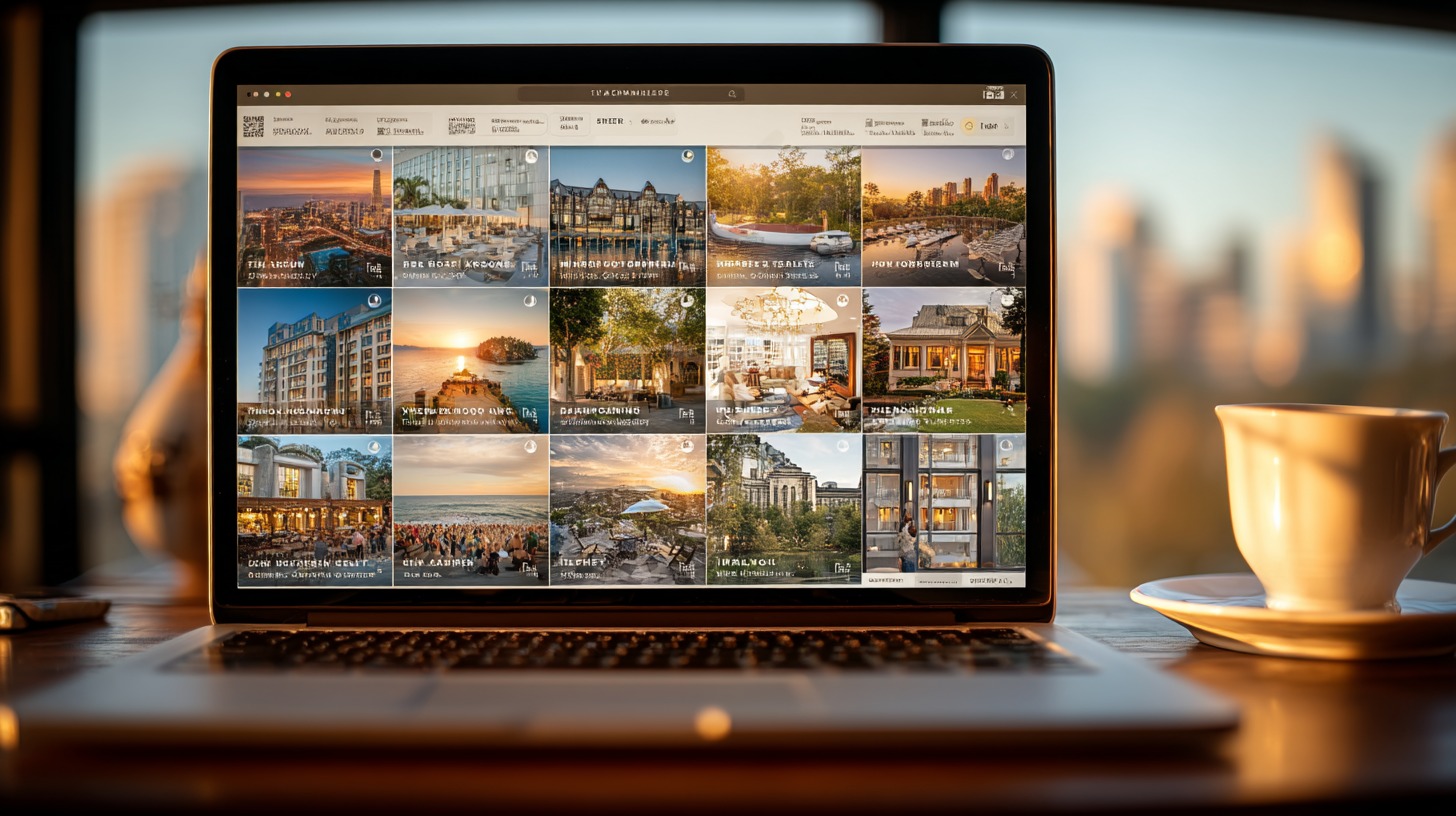
Travelers often turn to OTAs because they make it easy to browse and book various travel components on a single, trustworthy website. OTAs provide the convenience of comparing prices, locations, amenities, and property types side-by-side, saving travelers what could otherwise be hours of tedious research across multiple sites.
The ability to filter thousands of properties to find the specific one that fits their trip goals — whether it’s a pet-friendly hotel or a room with a sea view — is an invaluable tool. In short, OTA sites function as a comprehensive search engine for travel, effectively streamlining the entire booking experience from discovery to confirmation.
2. Loyalty programs
The larger OTAs are masters at rewarding travelers for booking multiple trips — including hotel rooms, car rentals, and flights — all through their platform. For instance, Expedia Group’s One Key program is designed to let travelers earn and use rewards across its extensive portfolio of brands, creating a powerful incentive to stay within their ecosystem.
Similarly, Booking.com’s Genius program offers members lifetime access to progressively better discounts, free breakfasts, and complimentary room upgrades, encouraging repeat business and fostering customer loyalty on a massive scale.

3. Price-driven decisions
OTAs have built a strong reputation as being the most cost-effective way to book travel and find bundled package deals. While many hotel brands have launched direct booking campaigns to challenge this perception, OTAs continue to benefit from their established image as low-cost leaders in the travel space.
For example, a platform like Agoda features a dedicated “Coupons & Deals” section that highlights daily offers and special rates on select hotels. These kinds of financial incentives are often too compelling for consumers to pass up, significantly increasing the likelihood that they will complete a booking then and there.
4. Extensive advertising & marketing
These discount-focused marketing efforts constantly reinforce the idea in consumers’ minds that OTAs are the best place to find a deal and book their next trip. The investment behind this is staggering. In the first quarter of 2024 alone, major OTAs like Airbnb, Expedia Group, and Booking Holdings spent a combined total of $4.08 billion on sales and marketing.
This enormous spending covers everything from high-profile Super Bowl commercials to buzzworthy viral campaigns, such as Airbnb’s memorable partnership with Mattel for the “Malibu Barbie DreamHouse.” At their core, booking platforms have one primary job: to get their inventory in front of the right person at the right time. The immense cost associated with this relentless innovation is precisely how they justify their commission fees to lodging partners.
5. Secure global payments & traveler protection
For a global audience, OTAs provide a seamless and secure transaction experience, allowing customers to pay in their preferred currency and use a wide variety of payment methods. This offers a level of flexibility that many independent properties simply cannot match on their own.
In addition, OTAs often provide robust traveler protection plans and dedicated customer support, giving users greater peace of mind. A prime example is Airbnb’s AirCover, which offers free protection to help guests with refunds or find new accommodations if they encounter a major issue, such as an unexpected host cancellation or significant trouble checking in.